7 Dimensions of Wellness

7 Dimensions of Wellness
Showing posts with label wellness. Show all posts

Monday, June 20, 2016

Eat Real Food, Not Junk Food

Being vegetarian does not necessarily mean that that person practices healthy eating habits. According to healthiergeneration.org, "we consume a lot of calories at home. Unfortunately, home has become the place for fast food and snack food convenience" (2016). Therefore, we need to start making real food easy. We can do this by avoiding fast food restaurants and stopping by the grocery store instead. If meals are planned for the week, it may be easier to resist consuming fast food, as well as junk food.


https://www.healthiergeneration.org/live_healthier/eat_healthier/real_food_not_junk_food
Eat Real Food, Not Junk Food


Kristin - Meatless Monday Intern

Monday, March 16, 2015

Help, Please!


I admit it!  I have a difficult time asking for help. I view it as a deficiency on my part although we have all received help at some point in our lives. No one was born with infinite knowledge and resources. It had to be learned; given to us. Somewhere, at some point, someone gave us a helping hand.  On the flip side, I also don’t want to be a burden to anyone.  You know, people rolling their eyes or sighing when you walk in a room.  

However, I’ve been talking to some very wise people and doing a lot of soul searching.  I’m proud to announce that I’m experiencing a change of mind and heart.  There is no shame in asking for help.  I still have to fight feeling like a burden or failure, but those thoughts don’t equal reality.  Asking for help is OK!  A sign of wisdom AND maturity. 

This new revelation also diminished the Superwoman complex.  I wouldn’t mind being Wonder Woman with the fancy belt and invisible jet, but that’s another post.  Chronically speaking, I’ll even ask for help when experiencing a lupus flare.  Sometimes I need help running errands or moral support.  Many times I need the help to avoid having a flare in the first place!  My life coach called it proactive care and flare care. (catchy, huh?) 

Need examples? 

Proactive care:  Instead of climbing up the shelves at the grocery store, I’ll ask someone taller if they can get that box of cereal for me. 

Flare care:  Instead of trying to be “productive” at home when I’m having a flare (tripping, stumbling, dropping things and hurting myself in the process), I’ll call a friend for a lively chat.

Radical concepts!  In conclusitory*, think before you say “call me if you need anything,” because your phone may ring!

(*I know conclusitory isn’t a word, but it sounds good.)


Monday, March 2, 2015

Meatless Monday: Roasted Brown Sugar Cayenne Squash

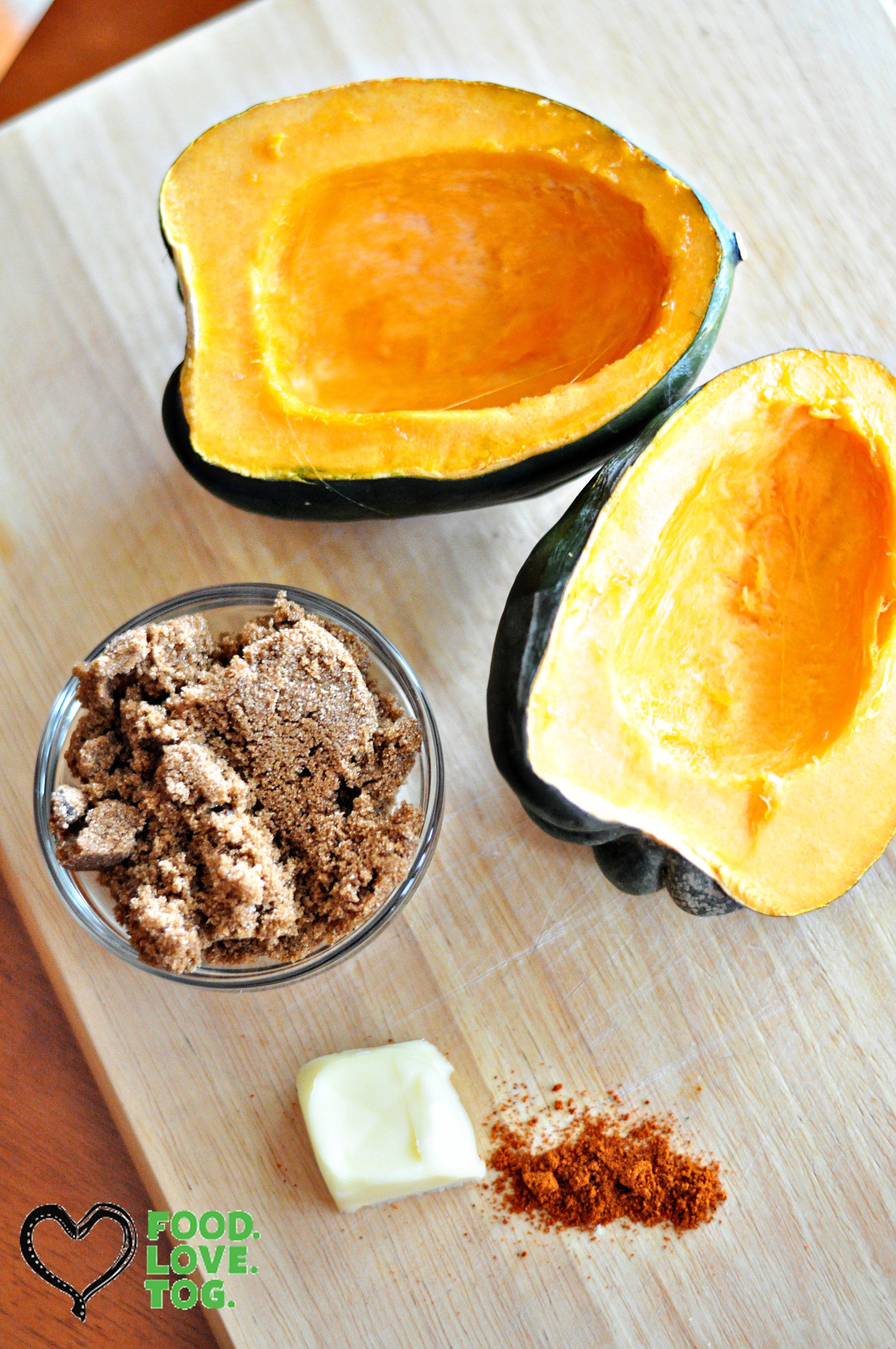
Squash is one of the vegetables that I found tends to intimidate people. I’ve learned that some people think that cooking squash is hard. Well I’m here to tell you,  Squash is so easy to cook. Your oven will do all the work if you let it. Well, most of it. Check out my twist on Roasted Acorn Squash. I think you’ll enjoy it. Buttery, sweet and it has a kick thanks to my friend Cayenne. You should meet her, she’s hot! 
Grab a squash and make this recipe today!
Roasted Cayenne Brown Sugar Squash, foodlovetog.com

Roasted Brown Sugar Cayenne Squash

Serves 2
Buttery, creamy and spiced up with Cayenne pepper. This one pan wonder is sure to please even the pickiest eaters.
Ingredients
  1. 1 Acorn Squash, split in half with seeds scraped and removed
  2. 2 Tablespoons Butter
  3. Pinch of Salt
  4. Heavy Pinch of Red Cayenne Pepper
  5. 2 Tablespoons Brown Sugar
Instructions
  1. Pre-Heat oven to 400 degrees
  2. Clean Inside of Acorn Squash and pat dry paper towel
  3. Sprinkle cavity with Kosher Salt and Red Cayenne Pepper
  4. Spoon in equal amounts of Brown Sugar into each half
  5. Top with Butter
  6. Roast in oven at 400 degrees for 45- minutes to 1 hour, until squash is tender
  7. Serve hot and enjoy!
Candace Boyd Wylie is an Indianapolis, Indiana native who believes in the power of a good meal.  She is the Recipe developer, Content creator and Recipe slanger at FoodLoveTog. FoodLoveTog is a food blog that is dedicated to sharing good eats and food for the soul. Candace is a wife, mother, daughter, sister and CWUW supporter. She can be found on the web at FoodLoveTog and at BoydWyliePhoto

Monday, January 5, 2015

MEATLESS MONDAY: ROASTED CHERRY TOMATO & CLEMENTINE CROSTINI


The first #MeatlessMonday of 2015! We made it! I’m glad you’re here. 
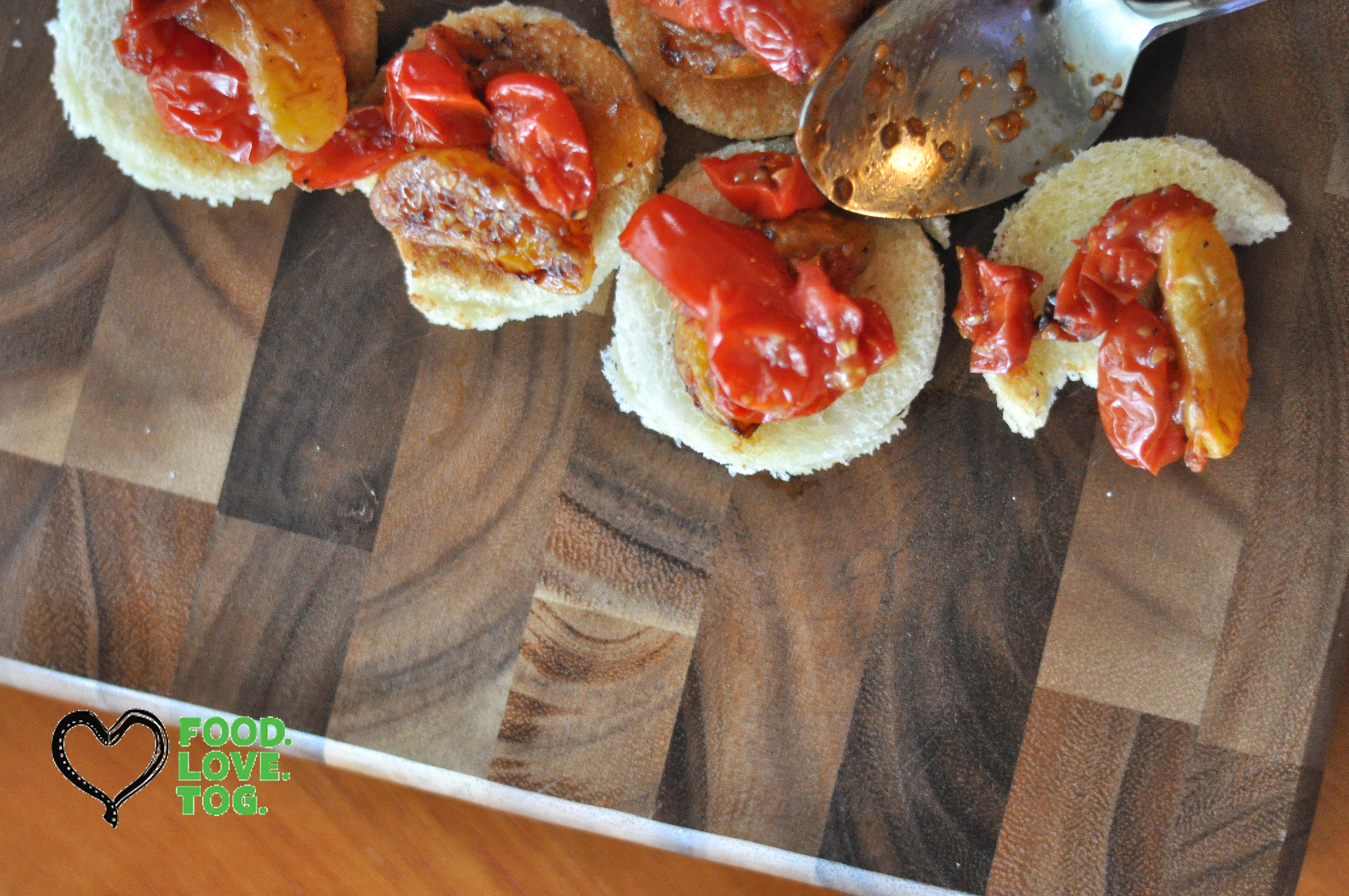
Today I’m sharing an appetizer that will appease meat-eaters and vegans alike. Roasted Cherry Tomato & Clementine Crostini. Yep. Savory. Savory. Savory. Cherry Tomatoes and Citrus. An unlikely pair. This is what happens when I have items in my fridge that I don't want to go to waste and I'm in need of a tasty snack.  I'm quite resourceful when it comes to odds and ends in the fridge. Creating this recipe was quite fun.
Enter bread, balsamic and my oven. This simple recipe will be delight your taste buds and please a crowd if you're entertaining. Roasting the veggies pulls out a sweetness that is unmatched. The tang of Balsamic adds a nice rounded touch what I'm calling "the duo of delight".  


Ingredients
  1. 10-15 Cherry Tomatoes Halved
  2. 12 Clementine Segments
  3. 1/3 cup Balsamic Vinegar
  4. Pinch of Salt
  5. Black Pepper
  6. 4 Tablespoons Butter
  7. Extra Virgin Olive Oil
  8. 5 Slices of Bread
Instructions
  1. Preheat Oven to 350
  2. Lightly Coat a sheet pan with Extra Virgin Olive Oil
  3. Toss Tomatoes and Clementine Segments in Balsamic Vinegar and Spread on sheet pan
  4. Season with Salt & Pepper
  5. Bake for 30-35 minutes until softened
  6. While the tomatoes and clementines roast
  7. Cut out rounds of bread slices, each piece should yield two rounds
  8. Melt butter in a saucepan
  9. Toast each round in butter until lightly golden and crisp
  10. Top each crostini round with Tomato and Clementine mixture
  11. Serve warm and enjoy!

Candace Boyd Wylie is an Indianapolis, Indiana native who believes in the power of a good meal.  She is the Recipe developer, Content creator and Recipe slanger at FoodLoveTog. FoodLoveTog is a food blog that is dedicated to sharing good eats and food for the soul. Candace is a wife, mother, daughter, sister and CWUW supporter. She can be found on the web at FoodLoveTog and at BoydWyliePhoto

Monday, January 21, 2013

THE HEALTH BENEFITS OF ALOE VERA

HAPPY NEW YEAR LIVE LIFE WELL READERS/CWUW COMMUNITY!!!

     ON YOUR NEW YEAR'S JOURNEY TO BE A HEALTHIER YOU...I WANTED TO WRITE A BLOG ABOUT THE HEALTH BENEFITS OF THE ALOE VERA PLANT.  NOW, THIS HAS BEEN A PLANT THAT I HAVE BEEN VERY FAMILIAR WITH SINCE A LITTLE GIRL.  I WAS A TOMBOY; I WAS ALWAYS RUNNING BEHIND MY OLDER BROTHER AND HIS FRIENDS.  I GOT A LOT OF SCRAPES, BURNS, CUTS, ETC. THROUGH OUT MY CHILDHOOD YEARS AND THE ONE THING MY MOM SWORE BY TO HEAL MY WOUNDS WAS...THE ALOE VERA PLANT.  MY MOM ALWAYS KEPT ONE OF THESE PLANTS IN OUR HOME...JUST FOR ME, LOL.  NEOSPORIN HAS NOTHING ON THE HEALING BENEFITS OF SOME ALOE VERA.   I BARELY SEE A BLEMISH FROM THE WOUNDS BECAUSE OF THE HEALING POWER OF THIS ALOE VERA PLANT.  

     JUST GO GET A PLANT FROM THE STORE, TREAT IT AS ANY OTHER PLANT.  WHEN NEEDED, BREAK OFF A PIECE OF THE PLANT, SQUEEZE THE PIECE TO MAKE SOME OF THE ALOE VERA GEL OOZE OUT, CLEANSE THE WOUND WITH SOAP AND WATER, AND THEN APPLY THE ALOE VERA GEL STRAIGHT TO THE WOUND.  DO THIS AT LEAST TWICE A DAY UNTIL THE WOUND IS HEALED.  NOW, UPON GETTING OLDER AND THROUGH RESEARCH, I FOUND THAT THIS PLANT JUST DOES NOT HEAL WOUNDS....BUT OUR BODY, INSIDE AND OUTSIDE.  I FOUND SOME GREAT INFO TO SHARE WITH YOU ON ONE OF MY FAVORITE INFO SITE, NATURALNEWS.COM.  SOME OF THE HEALTH BENEFITS OF THE PLANT ARE:  STOPS TUMORS FROM GROWING, HELPS WITH CONSTIPATION, HYDRATES SKIN, HELPS WITH HIGH BLOOD PRESSURE, STABILIZES BLOOD GLUCOSE, AND MANY, MANY MORE.  SOME OF THE WAYS YOU CAN TAKE ALOE VERA IS BY BUYING THE ALOE VERA DRINK (WHICH IS PRETTY TASTY), TAKING THE PILLS, OR JUST SCRAPING OUT THE INSIDE OF THE LEAF AND PUTTING IT IN A SMOOTHIE!!  THERE ARE MANY WAYS YOU CAN ENJOY THE BENEFITS OF AN ALOE VERA PLANT.  OH, IT IS GREAT FOR HAIR TOO!!  ALOE VERA SHOULD BE A STAPLE PLANT IN EVERY HOUSEHOLD.  MY PERSONAL SUGGESTION IS TO GO OUT A GET YOU AN ALOE VERA PLANT TODAY!!


DANICA J.


CHECK OUT THE LINK AT THE FOLLOWING WEBSITE: http://www.naturalnews.com/021858_aloe_vera_gel.html

Wednesday, June 10, 2009

Time to step up

I've been working with a wellness coach and it has been a journey. I'm learning about myself and what I really need to do.

Even though you have the KNOWLEDGE, life has put of roadblocks to being wise and applying that knowledge to your life.

I've had to look at my body image issue very closely. Its dangerous for my psyche. Its planted in control, fertilized in lies, and loved in BS. At the end, here comes Bulimia. It rolls off the tongue like its some weird yet exotic name. (I'm hoping no child is named Bulimia). I've cultivated this side of me. I've nurtured it, supported it, excused it, and even believed in it. Nuts right? Not really. I'm human. The important thing is to start the weeding process and face it.

I completely appreciate Delana (the wellness coach). She is hardcore and yet loving. She wants to see you enlightenment and moving forward. Keep it moving! She holds me accountable and that's all most of this is about in some odd way. Its about the dance between letting go of control and yet embracing discipline.

I gained 25lbs in 2008 partially due to back issues. My goal is to lose 40lbs.

I will take this journey publicly. I will blog on both sites (my own blog and CWUWs). I will document the ups and downs of this journey because we all need to see that it can be done even if you're operating with a psychosis like Bulimia. I will walk the talk.

Are you ready? Lets go!!

I'll provide info for Delana's business in upcoming blogs.

Tuesday, July 15, 2008

Diabetes, Depression Linked

Diabetes, depression linked: Having one makes other more likely- June 18, 2008

Jun. 18--For the first time in a single study, Johns Hopkins scientists have found that diabetes contributes to depression and vice versa, confirming long-held assumptions about the intertwined nature of two diseases that affect millions of Americans.

The research, published yesterday in the Journal of the American Medical Association, provides added proof that diabetes plays a role in depression and depression plays a role in diabetes. Previous studies have looked at only one aspect of the link.

For years, researchers had assumed that diabetes led to depression, said University of Michigan epidemiologist Briana Mezuk. The new research provides evidence. "That's what makes this study so great," said Mezuk, an expert on diabetes and depression.

Both ailments affect a significant number of people. Almost 21 million Americans -- 7 percent of the population -- have diabetes. In Baltimore, the proportion is even higher: One in 10 adults is diabetic, according to the federal Centers for Disease Control and Prevention.

And 30 million adults -- about 16 percent of the population -- have had at least one bout with serious depression during their lifetime.
"We were able to show that there's a bidirectional association," said the study's lead author, Dr. Sherita Hill Golden, a diabetes expert at the Johns Hopkins School of Medicine.

Golden said she hopes that the study will lead to increased understanding among both doctors and patients that the two illnesses are so closely intertwined. She emphasized in particular that doctors who treat diabetes should watch their patients for signs of depression.

The study looked at an ethnically diverse group of 6,814 men and women between the ages of 45 and 84, spread across the country. Over three years, subjects visited a clinic three times to be examined for symptoms of type 2 diabetes and depression. Type 2 diabetes is a chronic illness in which the body cannot properly remove sugar from the blood. The illness has a genetic component but usually occurs in overweight people or those who eat a high-sugar diet. It differs from type 1 diabetes, which is much less common and is an autoimmune disorder in which the body attacks its own pancreas. The pancreas makes insulin, the hormone that controls blood sugar.

Those with higher levels of depression were almost 50 percent more likely to develop diabetes than those who were not depressed. Subjects who were most depressed were most likely to become diabetic.

Compared with the general population, depressed people tend to smoke more, to overeat, to exercise less and to be overweight. All of these factors increase the risk of diabetes. Golden's study found that these activities contributed to the higher rates of diabetes for subjects with depression.

But there are other factors, too. Golden, an endocrinologist, suspects that depression might cause physiological changes that predispose people to diabetes. Depression raises levels of stress hormones such as cortisol as well as other molecules that lead to inflammation; these chemicals in turn contribute to diabetes.

Depression plays a role in several chronic physical conditions besides diabetes. For years, scientists have known that depression is associated with higher rates of heart disease, stroke, osteoporosis and perhaps dementia. Stress hormones and inflammatory molecules play a role in all of those diseases.

Interestingly, the link between depression and diabetes seems to be closely related to socioeconomic status. A new study by the University of Michigan's Mezuk in the American Journal of Public Health found that people with depression whose level of educational achievement was limited to high school or less had a 200 percent increased risk of becoming diabetic.

But depressed people with at least some college education had no increased risk. Mezuk suspects that the difference has something to do with the fact that in people with less education and income, depression tends to last much longer -- probably because this group has less access to treatment. The longer the illness persists, the more chance it has to do harm.

Most researchers think that for diabetic patients who become depressed, worry and anxiety play a central role. The disease is chronic, and patients must think constantly about diet as well as the possibility of complications, which can include heart disease, peripheral nerve problems and blindness.
"Either you have them or you're worried about getting them," said epidemiologist William Eaton. A professor at the Johns Hopkins Bloomberg School of Public Health, he has studied diabetes and depression for years but did not work on the study.

Golden found that diabetic patients getting treatment were more likely to be depressed than patients not in treatment. She suspects that diabetes treatment, which involves regular monitoring and injections, causes psychological stress on patients, thus increasing the risk of depression.

Awareness of the link between the illnesses can make a significant difference: A study last year by University of Pennsylvania researchers found that depressed diabetic patients who received mental health care were half as likely to die after two years compared with depressed diabetic patients who did not receive the extra care.

"Treating depression is not only important for mental health, it's important for physical illness as well," said University of Pennsylvania family medicine specialist Dr. Hillary Bogner, the study's lead author.
david.kohn@baltsun.com
-----
http://www.baltimoresun.com.
Copyright (c) 2008, The Baltimore Sun

Monday, June 23, 2008

Meatless Monday Receipe: Pasta Salad with Tomatoes and Grilled Garlic-Herb Salmon


Pasta Salad with Tomatoes and Grilled Garlic-Herb SalmonServings: 8
The recipe for this hearty pasta salad comes from our friends at Mrs. Dash.

12 oz penne pasta
1 roasted red pepper, peeled and diced
2 roasted yellow peppers, peeled and diced
1 pint cherry tomatoes, halved, yellow if possible
2 medium tomatoes, seeded and diced
1 large cucumber, seeded and diced
1 Tablespoon olive oil
3 Tablespoons Mrs. Dash Garlic & Herb Seasoning Blend, divided
3 Tablespoons lemon juice
2 Tablespoons low sodium chicken broth
8 4-oz salmon fillets

Cook pasta according to package directions and set aside. Combine olive oil, 2 tablespoons Garlic & Herb Seasoning Blend, lemon juice and broth in a large bowl. Add prepared vegetables and pasta, toss well and chill.

When ready to serve, brush salmon fillets with a little olive oil and sprinkle with 1 tablespoon Garlic & Herb Seasoning Blend. Grill fillets 3-4 minutes per side on medium heat. Serve hot with pasta salad.

Nutrition Information per Serving (serving size 1-1/2 cups)Calories 374, Total Fat 11g, Saturated Fat 2g, Cholesterol 71mg, Sodium 66mg, Carbohydrate 36g, Fiber 3g, Protein 32g

Tip: To get more whole grains and fiber, choose a whole wheat or whole wheat blend pasta for this recipe. If you like your pasta cooked al dente, you'll enjoy the chewier texture of whole wheat pasta. If you prefer softer, less chewy pasta, then try a whole wheat blend instead.
Visit the Meatless Monday website for more information and receipes!!

Tuesday, June 17, 2008

Dimensions in Wellness: Occupational Wellness


OCCUPATIONAL WELLNESS

"The occupational dimension recognizes personal satisfaction and enrichment in one's life through work. At the center of occupational wellness is the premise that occupational development is related to one's attitude about one's work. Traveling a path toward your occupational wellness, you'll contribute your unique gifts, skills and talents to work that is both personally meaningful and rewarding. You'll convey your values through your involvement in activities that are gratifying for you. The choice of profession, job satisfaction, career ambitions, and personal performance are all important components of your path's terrain.

Occupational wellness follows these tenets: - It is better to choose a career which is consistent with our personal values interests and beliefs than to select one that is unrewarding to us. - It is better to develop functional, transferable skills through structured involvement opportunities than to remain inactive and uninvolved. "

Dr. Bill Hettler, Cofounder and President of the Board of Directors of the National Wellness Institute


Are you living a balanced life between work and leisure? Is your occupation satisfying? Is it causing you stress that pours over into your personal life?

This is what occupational wellness is all about.

Rethink, reevaluate your occupational wellness.

Saturday, June 7, 2008

My Journey- Bulimia


I recall the first time I admitted to being bulimic was immediately after my mother died in 2004. I had an "episode". I went to a gas station, bought chocolate donuts, chips and a hostess fruit pie along with a bottled water. I walked back to my car, binged, then purged the food and I felt GREAT. Actually, I felt relieved. The stress of my mother's death and impending funeral was getting to me. This episode wasn't the first and actually wasn't the last but it was the moment when I recognized that I'm a bulimic.

For a black woman to admit to an eating disorder was difficult. Many black women view having an eating disorder as a "white woman's issue". We don't do that, right?. Well, we do. I'm not the only one. There are plenty of black women who suffer from Binge Eating Disorder. Its all very troublesome and healing needs to take place.

My control issues are very connected to my body image issues and my bulimia. I've learned that when I feel out of control, bulimia is my coping mechanism. Its comforting. It allows me to be in control and is calming. As much as a bulimic hates the illness, you haven't learned another coping mechanism so this is like a teddy bear.

Bulimia has never made me thin. If anything its slowed my metabolism and harmed my digestive system. Nothing good has come from it. I'm in recovery and it is a daily battle that I'm winning. Its important for me to reach out to other women, especially black women, who are embarrassed by their bulimia. Don't be afraid to seek help. You must. Bulimia can be a deadly illness.

Take care of yourself. Seek treatment.

Heal.

Friday, June 6, 2008

HeArt: Healing through Art


FEATURED ARTIST: KORTEZ


CWUW believes that Art provides a place for healing to begin. We encourage visual artists, musicians, poets, writers, and others to post their music, poems and art here.

We will also provide information on Journaling for those who want to being to journal (or blog) for healing.

Personally, I journal and blog as a means to share, to process my feelings and at times, to begin to heal.

Send me a message if you would like your art displayed here.

info@cwuwonline.org

7 Dimensions of Wellness


CWUW believes the 7 dimensions of Wellness are a focal point in achieving optimal health and well-being.

These dimensions will be taken into consideration in all aspects of CWUW program development.

Below is a description of each dimension take from the Fisher Institute of Wellness and Gerontology.


The Physical Dimension

The Physical Dimension of Wellness for an adult includes all aspects of keeping your body functioning at its maximum capacity over the entire lifespan; delaying the onset of disease or dysfunction until the last stages of life is the ultimate goal. Exercise, nutrition, weight management, self-care habits, stress reduction, sleep, and prevention behaviors all contribute to keeping the body moving adequately to fulfill its daily requirements. Physical wellness enables us to remain independent and stay fully engaged in a movement oriented, lifestyle integrating social, vocational, and environmental tasks.

The Environmental Dimension

Environmental Wellness for an adult encompasses acknowledging the interdependence between man and the earth and other living beings. Maintaining and replenishing the resources we need to support current and future life is the goal. Caring for the animals and places that are entrusted to you in a way that ensures continued viability for all life forms demonstrates environmental maturity. Designing work and play spaces that enable full healthful function while maximizing usability is desirable. Cultivating an appreciation for the beauty found in nature and surrounding yourself with rejuvenating, comforting, and affirming places and people contributes to your ability to refresh and revitalize yourself and enhance full capacity wellness capabilities.

The Intellectual Dimension

Intellectual wellness for adults involves embracing lifetime learning. The realization that learning doesn't end once you have completed a formal education is key to growing and changing in order to continually respond to the world around us. Maintaining a sense of wonder and curiosity and staying intellectually stimulated helps sustain a vital existence long into the lifespan. There is a constant human need and desire to be creative and innovative. Also, a constant need to explore new and exciting subjects to expand our collective knowledge of our environment and of the unknown. Finding a way to express these qualities is life affirming. Using knowledge effectively in all aspects in your life, with friends or family, in work or volunteer efforts is a never ending process. An intellectually mature person seeks to discover and understand many divergent points of view, even if they conflict, in order to develop an informed personal point of view. Acquiring new skills, developing new ideas, having the ability to interpret and articulate what you think about what you've learned contributes to being intellectually well.

The Social Dimension

The social dimension for adults includes being able to create and sustain relationships with, family, friends, peers, and acquaintances over time. Developing appropriate levels of intimacy within those relationships is key for establishing mutual nurturing, feelings of support, camaraderie, and friendship. These are the things that sustain us through life, in good times, and bad. Exhibiting an awareness that relationships are dynamic and changing things, that many interests are involved and that successful relationships often call for compromise can help establish trust in a mutual benefit, a ground stone of intimacy. Having the ability to communicate well, address issues that invariably arise within relationships and being able to work through them with friends, family, or significant others represents maturing social behavior. Accepting and giving support, nurturing others as well as letting other people support and care for you can also demonstrate social maturity. Also, realizing that there is a legitimate need for fun and leisure time to reconnect with people, recharge the psyche, and invigorate the spirit is very important for our social well-being.

The Emotional Dimension

Emotional Wellness for adults includes experiencing and expressing a wide range of feelings, developing abilities to cope with life's occurrences through giving and receiving support and learning to trust and rely on one's ability to deal with any situation. Emotional maturity allows us to develop meaningful connections with other beings and to acknowledge a level of interdependence. Emotional balance allows for diverse reactions to life events while maintaining an ability to function within cultural societies. Emotional wellness enables us to live fully engaged lives that can be shared intimately with others who are important to us.

The Vocational Dimension

Vocational Wellness for adults includes being able to identify your skills, abilities, and interests in order to incorporate them into your life's work. Being willing to continually learn and explore many career options keeps you flexible and able to respond to different economic cycles. Becoming a lifelong learner opens new possibilities for finding talents, interests, and passions that may develop into a career. Being able to work at a job that you feel passionate about enables you to obtain a higher job satisfaction. Putting your skills and abilities to use, you gain a sense of purpose and meaning and enrich your life. A vocationally mature person seeks to find a healthy balance between social and work life and has examined many different interpretations of success to define what it may mean for him or herself. A vocationally well person sets goals and outlines ways to attain them.

The Spiritual Dimension

Spiritual wellness for adults involves reflecting upon what inspires and motivates each individual intrinsically. Spiritual wellness encompasses exploring the meanings found in life and uncovering truths, as each person knows them to be. Spirituality is highly individual and can be expressed in many ways. The wellness journey is about discovering how you choose to explore and express your individual self. Often times this journey involves questioning existence, connecting with people and animals in meaningful ways, developing relationships of faith, sharing one's beliefs, and exchanging energy through thought and deed with other entities within the Universe. Spiritual maturity enables us to find a peaceful co-existence with others who do not share our belief systems. Spiritual commitment encourages us to look for common threads in our beliefs and to celebrate what joins us. Spiritual wellness enables us to come to terms with our existence and order our experiences around our beliefs and goals.

Center of Wellness for Urban Women: LIVE LIFE WELL


Center of Wellness for Urban Women, Inc. (CWUW) began as a vision from God to provide complete health and wellness services to women and their families.

CWUW is in place not only to provide health education to women but to assist in lifestyle change which doesn't happen easily. Lifestyle change occurs once you've changed your mind, attitudes and beliefs regarding any situation and then take action towards making the needed change. CWUW will provide its members/participants with access to tools and resources to help in their journey to living a healthy life.

Personally, I've battled my own issues with food, stress and living a sedentary lifestyle. We all need support. CWUW is an inclusive organization embracing and supporting other women's health organizations with similar visions. It will take all of us to change health care in Indiana. There's plenty of work to go around.

Lastly, we have taken advantage of God's healing grace and mercy. Too many of us are dying from preventive illnesses and diseases. Our bodies are temples. Its time to be PROACTIVE. Change our eating habits, reduce stress, exercise, feed our minds with powerful knowledge, take care of the environment, love each other, and be well.

Why aren't you well? Take the time and think about it. Send me an email. I want to know what it will take for you to change your mind about BEING Well.

The "LIVE LIFE WELL: Dimensions in Wellness" blog will provide an opportunity to share with others our vision for health and wellness as well as hear from you!

Be Well,

Rhonda L. Bayless
Founder/Board President
rlbayless@cwuwonline.org

CWUW is online!! Just a click away!
CWUW's Website
CWUW on Myspace